
One of the first things we focus on during our design process is understanding your unique design style.
Not to put you in a box, but to give you clarity.
When you understand your style, decisions get easier. You begin to recognize why certain selections, materials, or details feel right and why others don’t.
And during a Seattle remodeling project, that clarity matters.
When you're selecting finishes, lighting, cabinetry, flooring, and furniture all at once, your design style becomes your filter. It keeps decisions intentional instead of overwhelming. It also allows us to create a cohesive plan that reflects how you want your home to feel, not just what’s trending.
Below are three design directions we frequently see in Northeast Seattle homes. Think of these as starting points, not rules. The best remodels often blend elements in a way that feels layered and personal.
Transitional Design Style
A Balance of Classic and Contemporary
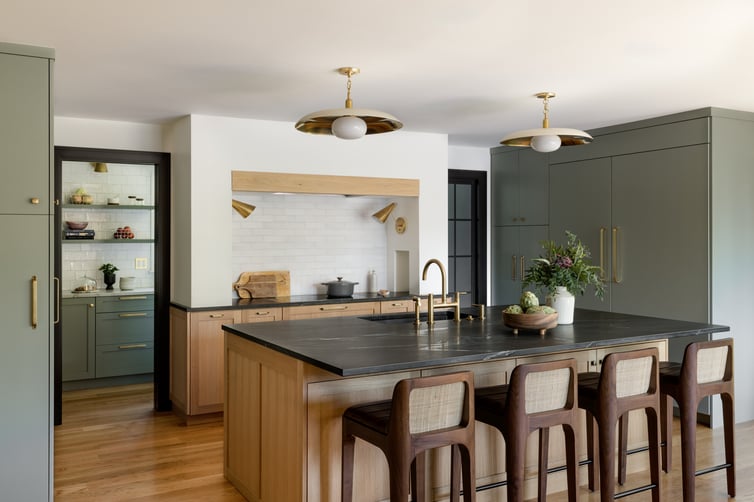
Transitional style sits comfortably between traditional and modern.
It blends timeless forms with clean lines, creating spaces that feel polished without feeling formal.
You’ll often see:
- Traditional silhouettes updated with modern finishes
- Neutral palettes layered with texture
- Warm metallic accents
- Clean lines softened by subtle curves
This style works beautifully in many Northeast Seattle homes, where original architectural details meet modern living.
Curated Picks for a Transitional Dining Room
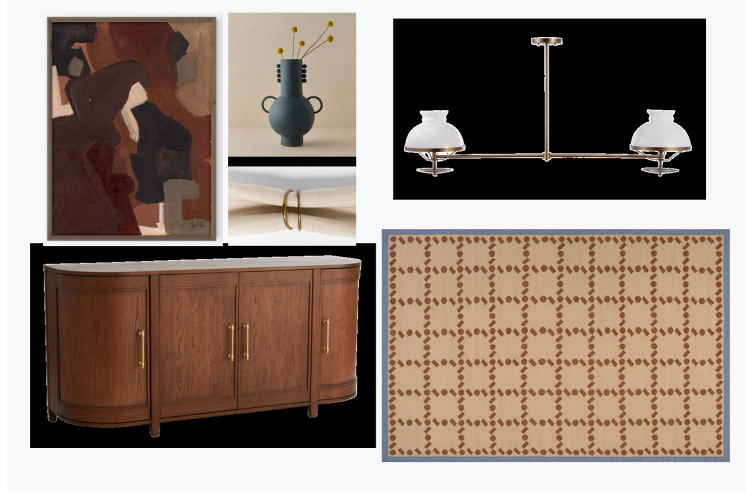
Dining rooms are a natural fit for transitional design. You want the space to feel elevated but still welcoming, refined but livable.
During a Seattle home renovation, transitional dining rooms offer flexibility. They work just as well for weeknight dinners as they do for hosting guests.
For this curated space, our Lead Interior Designer, Sara Bone, selected pieces that balance structure and softness:
- The Audrey pendant adds elegance overhead without feeling overly traditional.
- A Nordic Knots rug introduces subtle color and grounding.
- The Aria napkin ring brings in warm metallic refinement.
- The Tosca vase adds sculptural interest without clutter.
- The Theodora sideboard anchors the room with clean lines and storage.
- This Four Hands accent piece acts as a subtle artwork for contrast.
Want to Go Deeper?
If transitional design speaks to you, read our Ultimate Guide to Transitional Kitchen Design blog post.
Coastal Design Style
Light, Relaxed, and Naturally Inviting
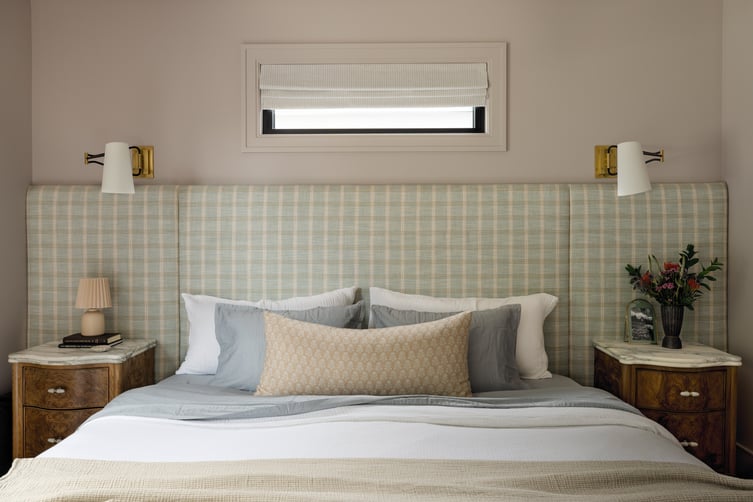
If transitional feels structured, coastal design offers something softer.
Coastal style is rooted in comfort. It draws inspiration from natural elements such as sand, water, and light without becoming themed or overly literal.
Expect:
- Soft whites and warm neutrals
- Breathable materials like linen and wool
- Relaxed silhouettes
- Subtle pattern and texture
In Northeast Seattle, where natural light shifts throughout the year, this style keeps interiors feeling bright and welcoming.
Curated Picks for a Coastal Bedroom
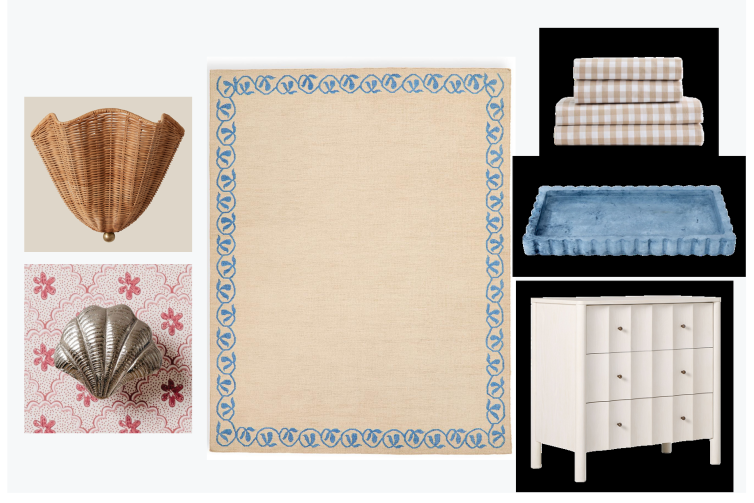
Bedrooms are where coastal design truly shines.
During a Seattle home renovation, many homeowners want their bedroom to feel like a retreat. Calm, layered, and easy to live in.
For this coastal-inspired bedroom:
- The Ravello wall sconce creates a soft, restful glow.
- A Serena and Lily rug adds subtle pattern without heaviness.
- A curved shell knob nods to nature without feeling themed.
- Organic percale bedding layers comfort and texture.
- A scalloped dresser softens the room’s silhouette.
- A wavy catchall tray adds personality and function.
Interested in More Classic, Relaxed Kitchens?
Explore our Ultimate Guide to Farmhouse Kitchen Design blog post.
Organic Modern Design Style
Clean Lines with Warmth and Depth
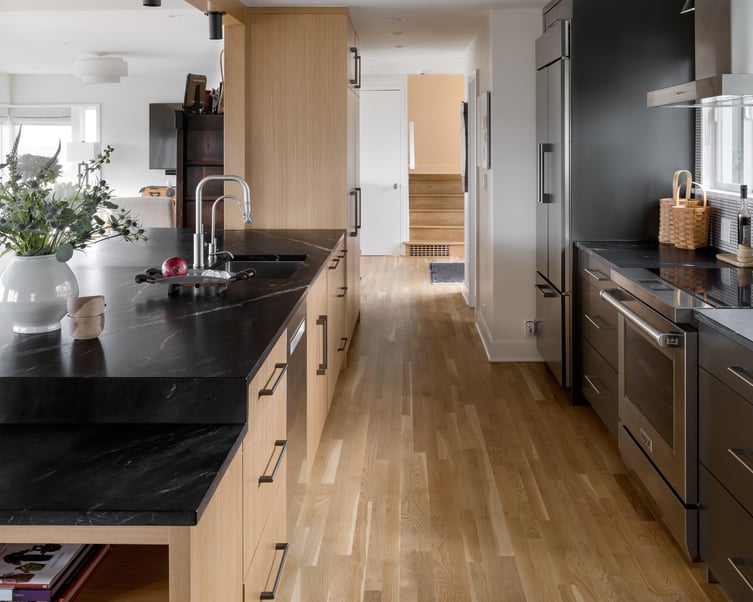
Organic modern design blends simplicity with warmth.
It pairs clean, architectural lines with natural materials and thoughtful craftsmanship. The palette stays neutral but never stark.
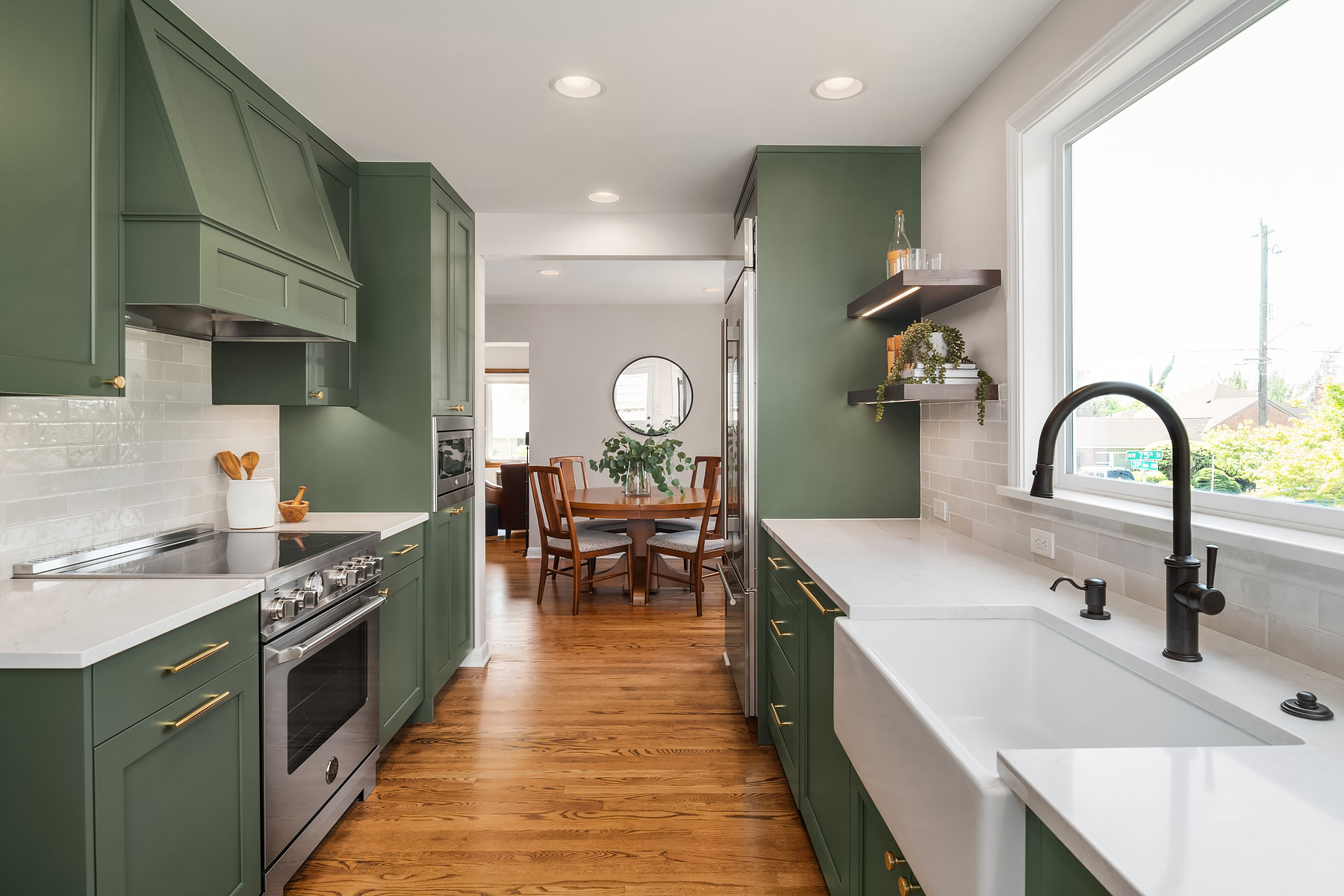
This style has become especially popular in Seattle kitchen remodels, where homeowners want modern design without cold minimalism.
Curated Picks for an Organic Modern Kitchen
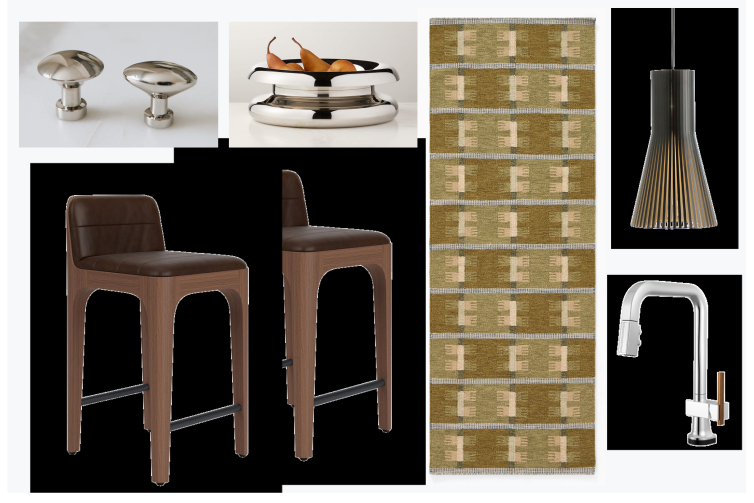
Kitchens are highly functional spaces. Organic modern design adds depth through texture and material.
For this curated kitchen:
- The Secto pendant introduces sculptural warmth.
- A flatweave wool rug grounds the space.
- A polished nickel knob adds subtle refinement.
- A stainless steel serving bowl brings contrast and function.
- The Canyon counter stool adds warmth through material and form.
- The Brizo faucet becomes both performance piece and design feature.
Want to Explore Modern Kitchen Design Further?
If you’re drawn to this clean, architectural look, we go deeper into layout, cabinetry, lighting, and material choices in our Ultimate Guide to Modern Kitchen Design blog post.
IHR Next Steps
If you’re drawn to elements from more than one style, that’s completely normal. Most homes, especially during a remodel, are a blend.
The goal isn’t to fit into a category. It’s to understand what feels right for how you live.
Our kitchen design style quiz helps you:
- Clarify your layout preferences
- Identify materials and finishes you’re naturally drawn to
- Avoid costly design indecision during your renovation
- Move forward with confidence
If you're planning a remodel and want guidance from a trusted Northeast Seattle interior designer, this is a smart place to begin.
Take the Kitchen Design Style Quiz and discover the direction that fits your home best.
Recent Articles
by Hannah Morris